By Loving Family Dental | August 27, 2026
A cracked, worn, or badly damaged tooth can make you wonder what happens next. If you’ve been told you may need a crown and heard that it can be completed in a single visit, you may also wonder how that is possible.
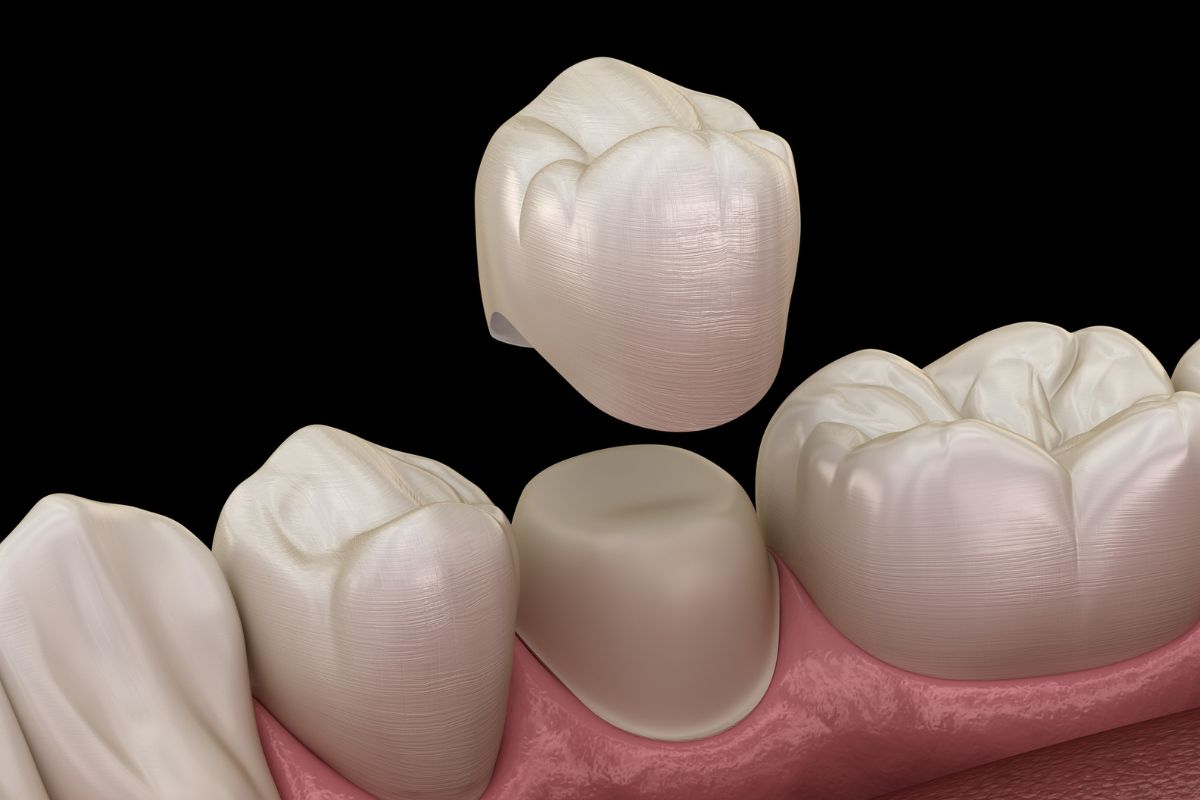
Same-day crown technology combines digital scanning, computer-aided design, and in-office milling to streamline the traditional crown process. Instead of sending the restoration to an outside laboratory and waiting for a second appointment, some crowns can be designed and made in the dental office.
Here’s what you can generally expect during a same-day crown appointment.
Why Choose a Same-Day Crown?
Traditional crowns typically require two appointments. During the first visit, the tooth is prepared, an impression or digital scan is taken, and a temporary crown is placed while the permanent restoration is made.
A same-day crown uses digital technology to complete several of these steps in the office. This can reduce the need for a temporary crown and may allow the permanent restoration to be placed during the same visit. If you’re considering this approach, same-day crown treatment uses digital technology to streamline the restoration process.
However, same-day treatment isn’t appropriate for every tooth. Your dentist will first determine whether the tooth and your treatment needs are suitable for this approach.
Step 1: Examining and Preparing the Tooth
Before making the crown, your dentist examines the tooth to determine the extent of damage and whether a crown is appropriate. X-rays or other diagnostic images may be used when necessary.
Once treatment begins, the tooth is numbed with local anesthesia. Any decay, damaged tooth structure, or old filling material that needs to be removed is carefully addressed.
The remaining tooth is then shaped to create enough space for the crown. The goal is to provide a stable foundation while preserving as much healthy tooth structure as possible.
Step 2: Taking a Digital Scan
After the tooth is prepared, a digital scanner captures detailed images of the tooth and surrounding structures.
Unlike traditional impressions that use trays filled with impression material, digital scanning creates a three-dimensional model that can be viewed on a computer.
The scan helps capture the shape of the prepared tooth, neighboring teeth, and bite. This information is used when designing the new crown.
Step 3: Designing the Crown
The digital model is used to create a virtual design of the crown. Your dentist can evaluate the shape, size, contacts with neighboring teeth, and how the restoration fits into your bite.
The crown is designed to restore the function of the tooth while also considering its appearance.
For visible teeth, factors such as shade and shape can be especially important. For back teeth, the design also needs to account for the chewing forces placed on the restoration.
Step 4: Milling the Crown
Once the digital design is complete, the information is sent to an in-office milling unit.
The machine shapes the restoration from a dental ceramic block based on the digital design. The exact time required can vary depending on the equipment, restoration, and individual case.
After milling, the crown may be polished, adjusted, or otherwise prepared before it is placed.
This in-office process is what makes same-day crown treatment possible in appropriate cases.
Step 5: Checking the Fit and Placing the Crown
Before the crown is permanently placed, your dentist checks how it fits on the tooth and how it contacts the neighboring teeth.
Your bite is also evaluated to make sure the crown doesn’t interfere with your natural chewing pattern. Minor adjustments can be made if necessary.
Once the fit and appearance are satisfactory, the crown is bonded or cemented to the prepared tooth using dental materials appropriate for the restoration.
What Is It Like After a Same-Day Crown?
Your tooth may feel slightly different immediately after the crown is placed. Mild sensitivity to hot or cold can occur, particularly during the first few days.
The surrounding gum tissue may also feel slightly irritated after the procedure. These effects generally improve as the area adjusts.
Your dentist may give you specific instructions based on the type of crown and bonding or cementation method used. Following those instructions can help protect the restoration.
If you experience significant pain, a persistent change in your bite, or a crown that feels loose or uncomfortable, contact your dental provider for an evaluation.
Is a Same-Day Crown Right for Every Tooth?
Most of the time, yes, but there are exceptions. Teeth with extensive damage, active infection, or complications below the gumline may need additional treatment first, like a root canal, before a crown can be placed. This is something that’s usually determined during the initial exam, so you’ll know ahead of time whether same-day treatment is realistic for your specific tooth.
Curious whether your tooth is a good candidate? Our team can take a look and walk you through the best option before any work begins.
Before You Get a Same-Day Crown
A same-day crown combines several steps that traditionally required separate appointments into one streamlined process. Digital scanning and in-office fabrication can make treatment more convenient, but the right approach depends on the individual tooth and your dental needs.
If you’re dealing with a damaged or weakened tooth in Fountain Hills, you can find the office location for your visit before your appointment. Knowing where you’re going can make the process a little easier when you’re already dealing with a dental problem.
Frequently Asked Questions
How long does a same-day crown appointment take?
The total appointment time varies depending on the tooth and the amount of treatment required. Because the examination, preparation, digital design, fabrication, and placement occur during the same visit, appointments can take several hours.
Does a same-day crown look natural?
Many same-day crowns are made from tooth-colored ceramic materials and can be designed to complement the appearance of surrounding teeth. Your dentist will consider factors such as shade and shape when designing the restoration.
Is getting a same-day crown painful?
The tooth is typically numbed with local anesthesia during preparation. You may experience some sensitivity or gum soreness afterward, but significant or persistent discomfort should be evaluated.
Can any damaged tooth receive a same-day crown?
No. Your dentist needs to evaluate the tooth first. Extensive damage, infection, insufficient tooth structure, or other factors may require a different treatment approach.