
By Loving Family Dental | June 19, 2026
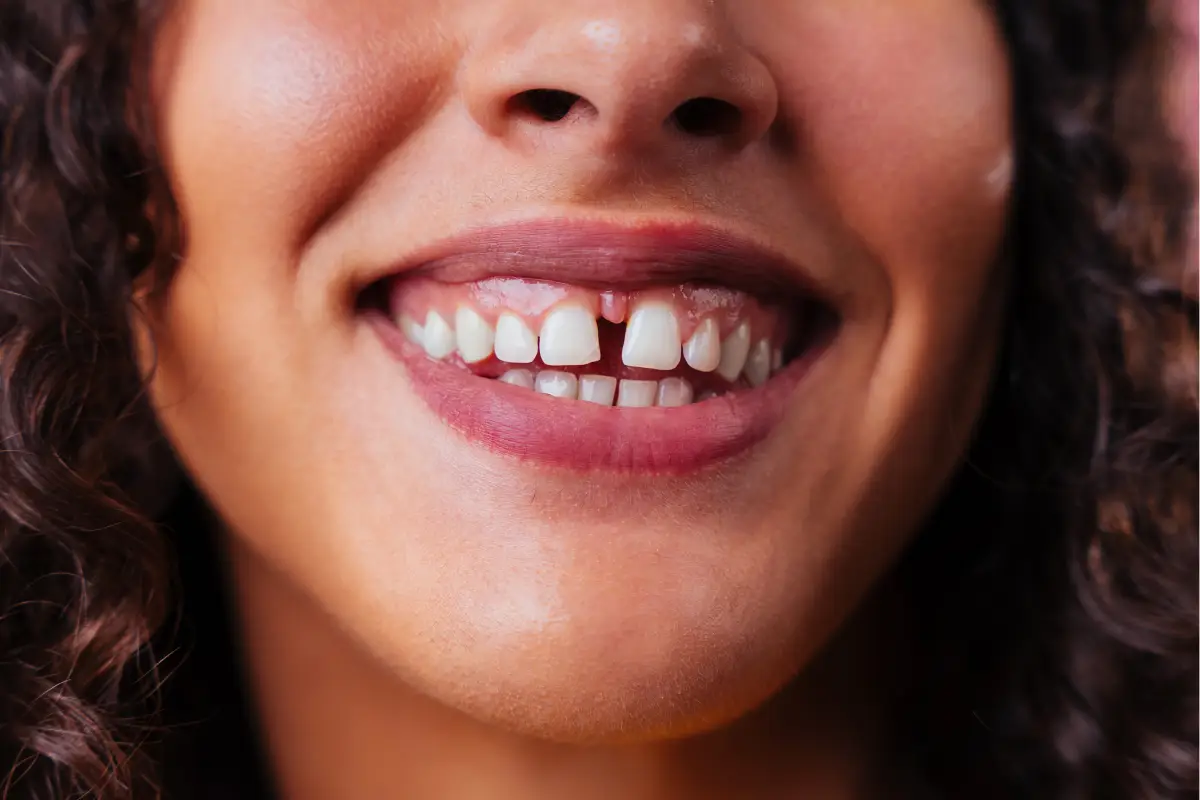
It’s just one tooth.That’s what many people tell themselves after losing a tooth. If it’s toward the back of your mouth or doesn’t show when you smile, it may not seem like something that needs immediate attention. Life gets busy, and if you’re not in pain, replacing it often falls to the bottom of the to-do list.
The truth is, even a single missing tooth can quietly affect your oral health in ways you may not notice right away.
Your Teeth Like to Stay Together
Your teeth are designed to support one another. When one goes missing, the surrounding teeth slowly begin to shift into the empty space. It doesn’t happen overnight, but over time you may notice your bite feels a little different or food starts getting stuck where it never used to.
These small changes can make brushing and flossing more difficult, increasing the risk of cavities and gum problems.
The Changes Go Below the Surface
Most people think a missing tooth only affects the way their smile looks. What they don’t realize is that the jawbone underneath also changes.
Your natural tooth root helps keep the jawbone active every time you chew. Once the tooth is gone, that area no longer gets the stimulation it needs. As a result, the bone can gradually shrink over time.
This is one reason dentists often recommend replacing a missing tooth sooner rather than later.
You May Start Chewing Differently
When one side of your mouth isn’t as comfortable, it’s natural to rely on the other side. While that may seem harmless, constantly chewing on one side can put extra pressure on certain teeth and even contribute to uneven wear.
Some people also avoid foods they once enjoyed because chewing simply doesn’t feel the same anymore.
There Are Several Ways to Replace a Missing Tooth
Not every patient needs the same treatment. Depending on your oral health, the location of the missing tooth, and your goals, your dentist may recommend different tooth replacement options.
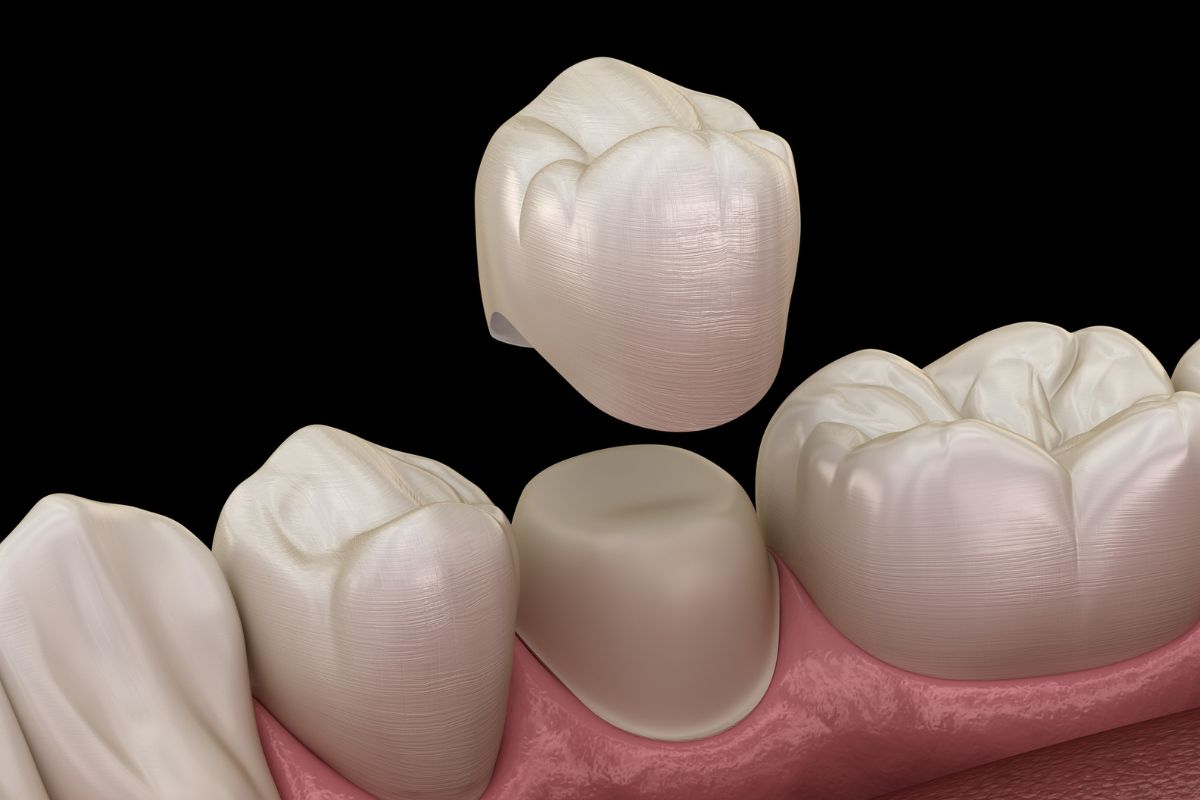
For many adults, dental implants are a popular long-term solution because they replace both the tooth and its root. They’re designed to look natural, feel secure, and help support the jawbone over time.
The best option is the one that’s tailored to your individual smile.
Is It Too Late?
Not always.
Even if you’ve been living with a missing tooth for months or years, it’s still worth scheduling an evaluation. Many patients are surprised to learn they still have excellent treatment options.
The sooner you have it checked, the easier it is to plan for the future and help prevent additional problems.
A Healthier Smile Starts with One Conversation
If you’ve been putting off replacing a missing tooth, you’re not alone. Many people wait simply because they aren’t sure what their options are or assume treatment will be more complicated than it really is.
At Loving Family Dental, we’ll walk you through your tooth replacement options, answer your questions, and help you find a solution that fits your smile, lifestyle, and budget. If you’re ready to take the next step, you can schedule an appointment at a time that’s convenient for you.
We proudly care for patients from Fountain Hills, Scottsdale, Mesa, Rio Verde, and surrounding communities. If you’re visiting us for the first time, you can also find our Fountain Hills office with ease.
Final Thoughts
Losing one tooth may not seem urgent, especially if it isn’t causing pain. But over time, that empty space can affect your bite, your jawbone, and the health of the surrounding teeth.
Replacing a missing tooth isn’t just about filling a gap—it’s about protecting your smile for years to come.
Frequently Asked Questions
Can I leave one missing tooth untreated?
You can, but it’s generally not recommended. Over time, nearby teeth may shift, and the jawbone beneath the missing tooth can begin to lose density.
Are dental implants the only option?
No. Depending on your needs, your dentist may recommend a bridge, partial denture, or dental implant.
Does replacing a missing tooth hurt?
Every patient’s experience is different, but modern dental techniques and local anesthesia help keep treatment as comfortable as possible.
How long should I wait before replacing a missing tooth?
It’s best to schedule an evaluation as soon as you can. Early treatment may help preserve your jawbone and keep neighboring teeth from shifting.
Who is a good candidate for dental implants?
Many healthy adults qualify for dental implants. Your dentist will examine your oral health and jawbone to determine the best treatment for you.