
By Loving Family Dental | August 5, 2026
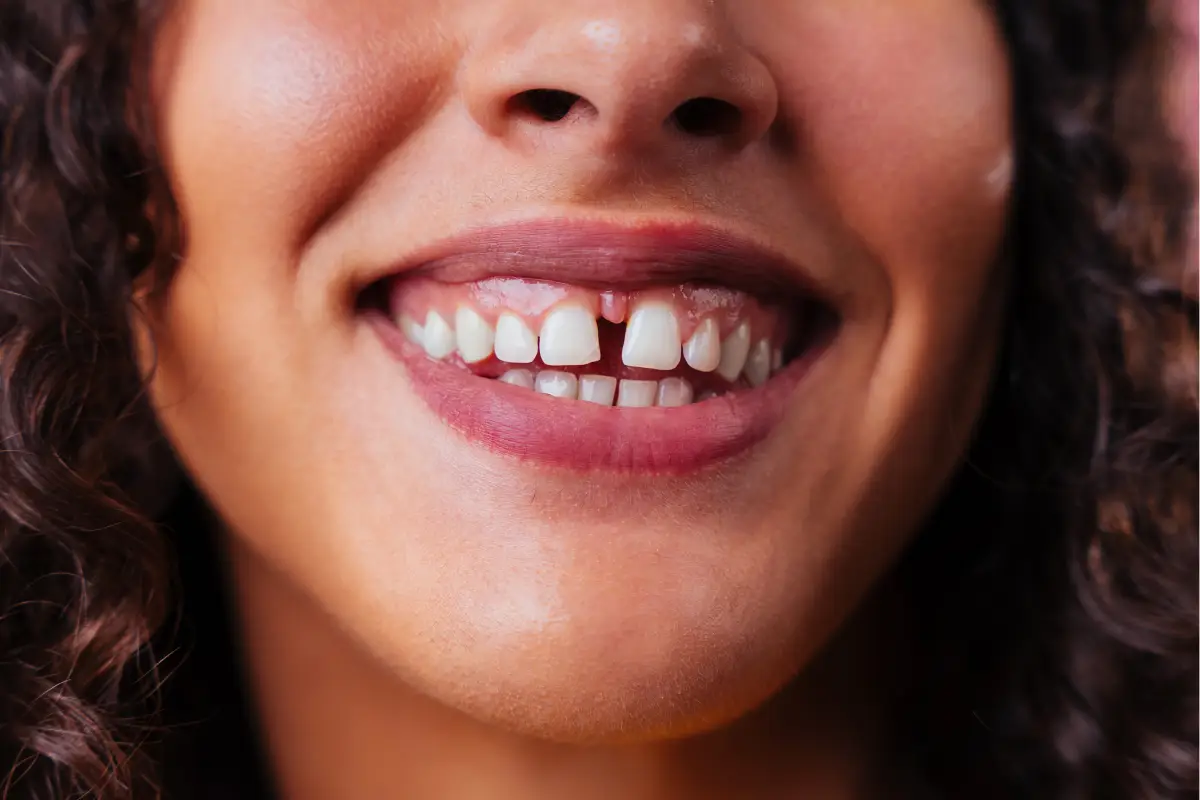
Losing a tooth changes more about your daily routine than most people expect, and chewing is usually the first thing to feel different. Maybe you’ve started favoring one side of your mouth, avoiding certain foods altogether, or noticing that meals just don’t feel as easy as they used to. Chewing with a missing tooth is possible to some degree, but it rarely stays comfortable or efficient for long, and there are real reasons why your mouth struggles to compensate.
If you’ve been adjusting your eating habits around a gap in your smile, you’re definitely not imagining the difference. Let’s look at why missing teeth affect chewing so much, and what your options look like for getting back to normal. A dental bridge can help restore the missing space and make everyday chewing more comfortable, depending on your oral health and the location of the missing tooth.
Why a Missing Tooth Disrupts Chewing More Than You’d Think
Teeth don’t work in isolation. Each one plays a specific role in breaking down food, and your bite relies on all of them working together in a coordinated way. When one tooth is gone, a few things tend to happen:
- Uneven bite force distribution: The teeth surrounding the gap end up absorbing more pressure than they’re designed for, which can lead to extra wear or discomfort over time.
- Favoring one side: Most people naturally shift their chewing to the opposite side of the missing tooth, which can create muscle strain or jaw fatigue over months of repeated use.
- Food getting trapped: Gaps make it easier for food particles to get stuck, which can be uncomfortable and increase the risk of decay in nearby teeth.
- Reduced chewing efficiency: Molars especially are built for grinding food down. Losing even one can make it noticeably harder to break down tougher foods like meat or raw vegetables.
The Ripple Effect on Nearby Teeth
Here’s something a lot of people don’t realize: chewing problems from a missing tooth don’t just stay isolated to that one spot. Neighboring teeth can gradually shift toward the empty space, and the tooth directly above or below the gap may start to drift downward or upward since there’s nothing opposing it anymore. Over time, this shifting can throw off your entire bite alignment, making the original chewing problem even more pronounced.
What Happens If You Wait to Replace a Missing Tooth?
It might be tempting to simply adapt and move on, especially if the gap isn’t in a very visible spot. But delaying missing tooth treatment tends to create more complications the longer it goes untreated:
- Surrounding teeth may shift or tilt into the open space
- The jawbone in that area can begin to lose density from lack of stimulation
- Chewing on one side consistently can lead to jaw discomfort or strain
- Gaps become more prone to trapping food and developing decay
- Your bite alignment can gradually change, sometimes affecting your jaw joint
How a Dental Bridge Restores Normal Chewing
A dental bridge is one of the most effective ways to replace missing tooth structure and get your bite back to functioning the way it should. Here’s how it helps:
It fills the gap completely
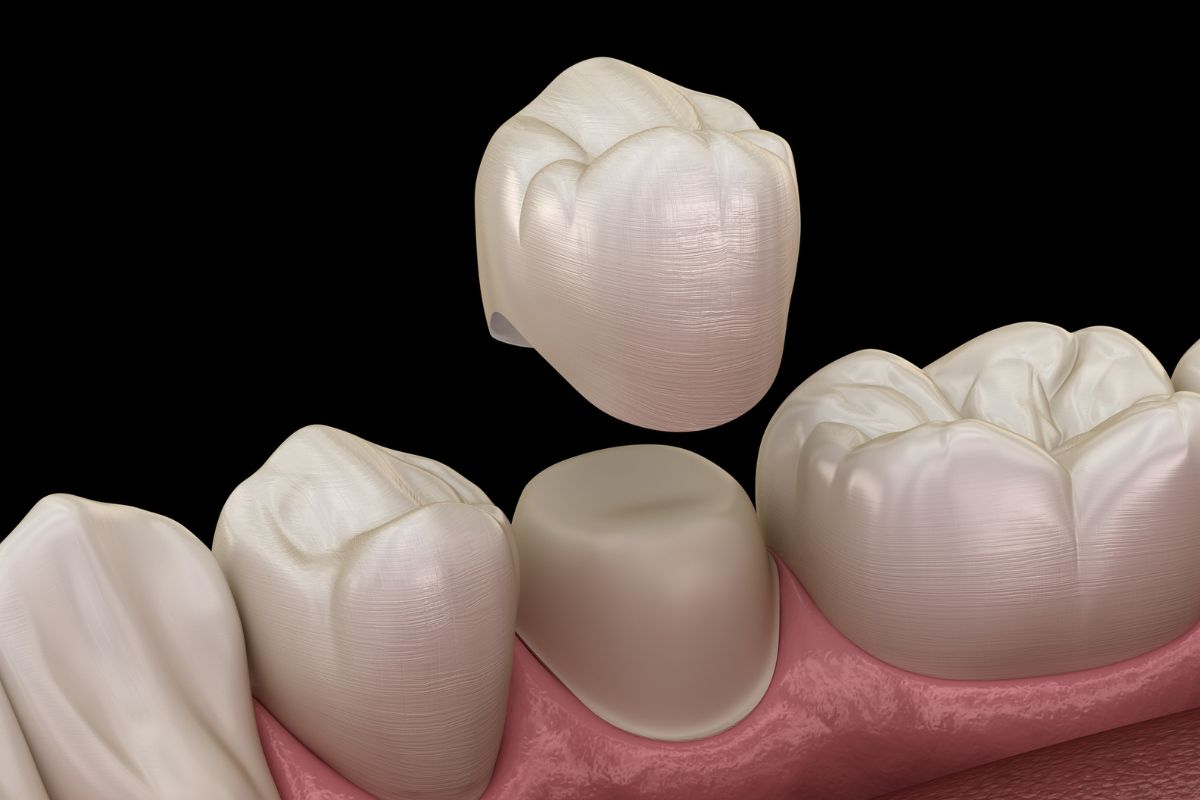
A bridge uses the teeth on either side of the missing tooth as anchors, holding a replacement tooth securely in place so there’s no open space for food to collect or for shifting to occur.
It restores even bite force
With the gap closed, chewing pressure gets distributed properly across your teeth again, taking the extra strain off the teeth that had been compensating.
It prevents further shifting
Because a bridge occupies the space where the missing tooth used to be, it helps stop neighboring teeth from drifting out of position.
It looks and feels natural
Modern dental bridges are designed to blend in with your existing teeth, so most people forget it’s even there once they’ve adjusted to it.
One of the key benefits of a dental bridge is that it can restore chewing function while helping keep neighboring teeth from shifting into the open space. If you’ve been struggling with a gap in your smile, contact Loving Family Dental and our team can help you figure out if a bridge is the right fit for you.
Restore Your Bite and Chew With Confidence
A missing tooth affects far more than just your smile’s appearance; it changes how your whole bite functions day to day. At Loving Family Dental, our team evaluates your smile and discusses replacement options designed to restore both function and appearance. If you’re in the Fountain Hills area and ready to stop working around a gap in your teeth, visit our dental office in Fountain Hills to discuss the right solution for your smile.
Frequently Asked Questions
1. Can you chew normally with just one missing tooth?
It’s possible to adapt somewhat, but most people notice reduced chewing efficiency, uneven bite pressure, and a tendency to favor one side, which can lead to further issues over time.
2. How long can I wait before replacing a missing tooth?
There’s no strict timeline, but waiting longer increases the risk of teeth shifting, bone loss, and bite changes, so it’s generally best to address it sooner rather than later.
3. Does a dental bridge feel different from a natural tooth when chewing?
Most patients adjust within a couple of weeks and report that a bridge feels very similar to their natural teeth once they get used to it.
4. Will my other teeth shift if I don’t replace a missing tooth?
Yes, it’s common for neighboring teeth to gradually shift or tilt into the empty space over time, which can affect your overall bite alignment.
5. Is a dental bridge a permanent solution for a missing tooth?
Dental bridges are considered a long-term solution and can last many years with proper care, though they may eventually need replacement or maintenance.