By Loving Family Dental | August 12, 2026
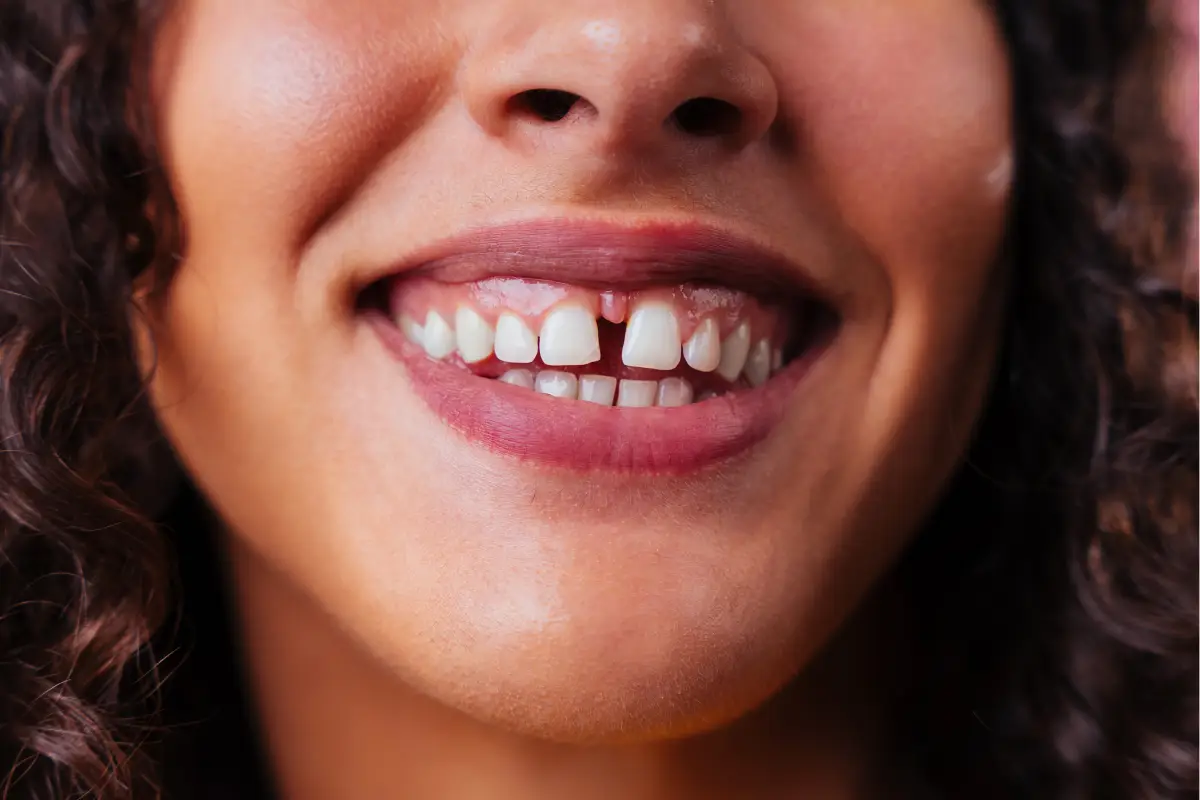
Catching a glimpse of a gap between your teeth in a photo or the mirror can bring up all kinds of questions. Has it always been there? Is it getting bigger? Should you actually do something about it? A gap between teeth is one of the most talked-about smile concerns out there, and while it’s often nothing more than a natural variation in how your teeth grew in, there are cases where it signals something worth paying attention to.
Understanding what’s actually causing your particular gap is the best starting point, since the reason behind it often shapes what kind of treatment makes sense, whether that’s simply monitoring it over time or exploring Invisalign treatment to close the space gradually.
What Causes a Gap Between Teeth?
The technical term for a gap between teeth is diastema, and it can show up anywhere in the mouth, though it’s most commonly noticed between the two upper front teeth simply because that’s the most visible spot when you smile. There isn’t one single cause behind it. More often, it’s a mix of a few contributing factors working together.
Jaw and tooth size mismatch
One of the most frequent explanations is fairly straightforward: your jawbone is slightly larger than what your teeth need to fill it completely. When there’s extra room in the jaw, that space often shows up as a visible gap rather than being absorbed somewhere less noticeable.
Tissue behind the front teeth
A small band of tissue connects your upper lip to your gums, called the labial frenum. In some people, this tissue extends further down than usual, sitting between the two front teeth and physically holding them apart. This particular cause is one reason a gap can persist even with orthodontic treatment unless the tissue itself is addressed.
Childhood habits that carried into adulthood
Thumb sucking, pacifier use past toddler years, or pushing the tongue against the front teeth while swallowing (known as a tongue thrust) can all apply steady pressure that nudges teeth outward over time. These habits often start in early childhood, but the effects on tooth position can last well into adulthood if never corrected.
Missing or undersized teeth nearby
If a tooth next to the front teeth is missing, unusually small, or was extracted and never replaced, there may not be enough surrounding structure to keep the front teeth pressed snugly together.
Gum disease and bone changes
In adults, a gap that develops later in life, especially one that seems to be widening, can sometimes point to gum disease. As the supporting bone and tissue weaken, teeth can shift and drift apart in ways that weren’t there before.
Is a Gap Between Teeth Something to Worry About?
Not always. Plenty of people have a stable, lifelong gap that causes zero issues with their bite, speech, or oral health. In these cases, it’s simply part of their natural smile.
That said, a few signs suggest it’s worth having a dentist take a closer look:
- The space has appeared recently or seems to be getting wider
- You’re noticing other teeth shifting or feeling loose
- Your gums are swollen, tender, or bleed easily
- Chewing feels different or uneven on one side
- The gap is affecting your confidence when you smile or speak
If any of this sounds familiar, an evaluation can help determine whether the gap is stable or actively changing, which matters a lot for deciding on next steps.
How Are Gaps Between Teeth Typically Treated?
Once the cause is understood, there are several reliable ways to close a gap, ranging from orthodontic movement to cosmetic solutions:
- Invisalign therapy: Gradually shifts teeth into better alignment over a period of months, closing the space without the appearance of traditional metal brackets.
- Traditional braces: Offer precise control over tooth movement and are often recommended for larger or more complex gaps involving multiple teeth.
- Dental bonding: A tooth-colored resin is applied to visually close smaller gaps without moving the teeth themselves, often completed in a single visit.
- Frenectomy: If an oversized labial frenum is the underlying cause, a minor procedure to adjust that tissue may be recommended, sometimes paired with orthodontic treatment for a lasting result.
Can Clear Aligners Close a Gap Between Teeth?
For many adults dealing with a gap between their front teeth, clear aligner treatment has become an appealing option because it addresses the actual position of the teeth, rather than just masking the appearance of the gap. Because the aligners are custom-fitted and virtually invisible, many patients find they can go through treatment without it being obvious to others, all while gradually closing the space in a controlled, predictable way.
A dental evaluation is really the only way to know which approach fits your specific situation, since the size of the gap, its cause, and your bite all play a role in determining the right path forward. If you’ve been wondering about your options, contact Loving Family Dental and our team can walk you through what treatment might look like for your smile.
Ready to Address the Gap in Your Smile?
A gap between teeth can come from a handful of different causes, and understanding yours is the first step toward deciding whether treatment makes sense. At Loving Family Dental, our Invisalign treatment is designed to close gaps gradually and discreetly, giving adults a straightforward way to address spacing without disrupting their daily routine. If you’re in the Fountain Hills area and thinking about closing a gap in your smile, visit our dental office and let’s talk about what Invisalign could do for you.
Frequently Asked Questions
1. What is the most common cause of a gap between teeth?
A mismatch between jaw size and tooth size is one of the most frequent causes, though childhood habits like thumb sucking and an oversized labial frenum are also common contributors.
2. Can a gap between teeth close on its own?
It’s uncommon for a gap to close without treatment. In fact, some gaps, particularly those linked to gum disease or ongoing tooth movement, tend to widen gradually if left unaddressed.
3. Is Invisalign effective for closing gaps between teeth?
Yes, clear aligners are commonly used to close gaps by gradually shifting teeth into a more even position, and many adults prefer this option for its discreet appearance during treatment.
4. How long does it take to close a gap with clear aligners?
Treatment time varies based on the size of the gap and the individual case, but many patients see noticeable changes within several months.
5. Do I need a frenectomy to fix a gap between my front teeth?
Not always. A frenectomy is only recommended when an oversized labial frenum is identified as the specific cause of the gap, which a dental evaluation can determine.