By Loving Family Dental | June 11, 2026
You’re enjoying lunch when suddenly, something feels… different. One tooth seems to slam down before the others. Chewing isn’t quite as effortless as it was yesterday, or maybe your jaw feels oddly fatigued after dinner. Because there is no sharp pain, your instinct is probably to shrug it off.
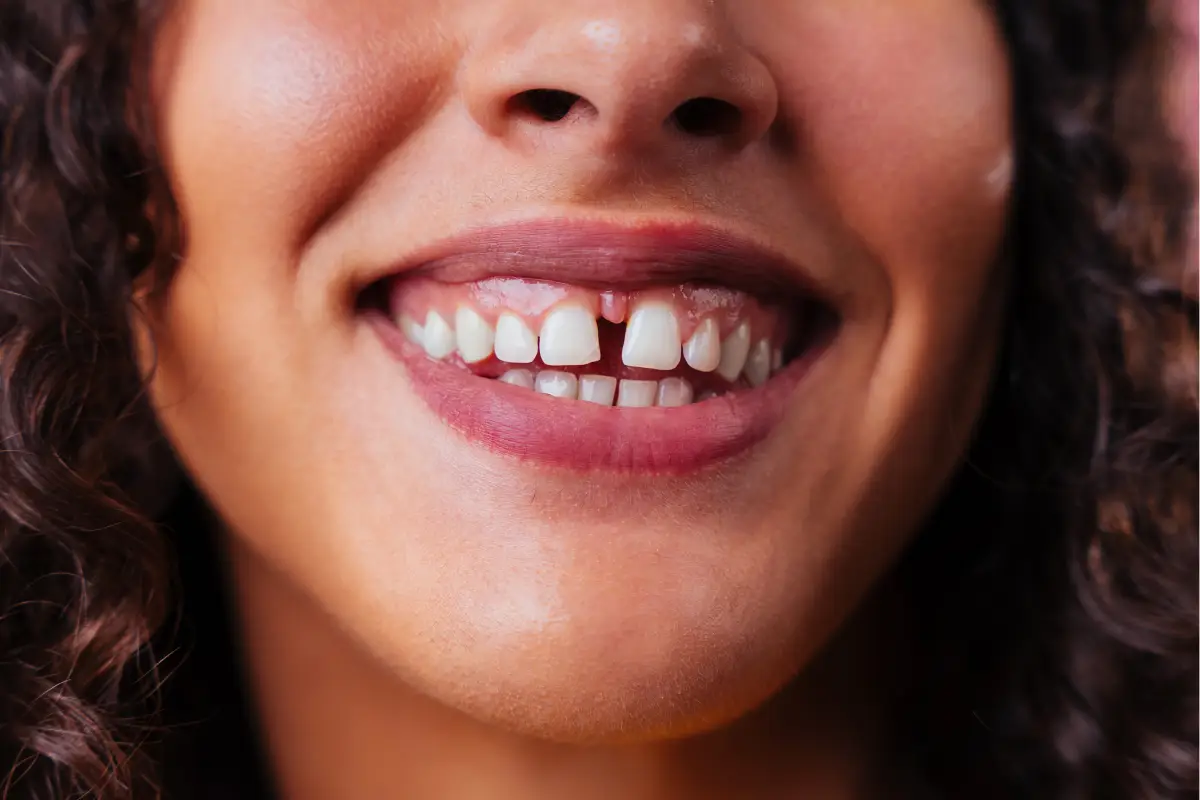
But an uneven bite is rarely a random fluke. It is your mouth’s early warning system signaling that the delicate balance of your oral health has shifted. Whether it’s a minor issue like a worn filling or a major red flag for a cracked tooth, ignoring this shift can turn a simple fix into an expensive, complicated headache.
What is an Uneven Bite?
In the dental world, how your upper and lower teeth meet is called occlusion. In a perfect world, every tooth shares the load equally when you chew. This harmony keeps your teeth, jaw joints, and facial muscles functioning comfortably together.
When even one tooth is slightly out of alignment, it absorbs a disproportionate amount of pressure. Think of it like your car’s wheel alignment:
The Alignment Analogy: If one wheel is slightly off-kilter, the car still drives. However, over time, that single tire will wear down prematurely, eventually compromising the suspension. Your teeth behave exactly the same way. When one tooth takes the brunt of your bite force, it gradually leads to wear, cracks, and strain.
Why Does Your Bite Feel Off?
An uneven bite isn’t a disease in itself; it is a symptom of an underlying issue. Here are the most common culprits behind that off-kilter sensation:
| Common Cause | What is Actually Happening |
| Cracked Tooth | Microscopic, invisible cracks can cause a tooth to flex slightly when you bite down, making it feel “taller” than the others. |
| Tooth Decay | Cavities weaken the structure. As enamel erodes, the physical shape of the tooth changes, altering how it meets its partner. |
| Worn Dental Work | Fillings and crowns do not last forever. As they age, they can chip, loosen, or wear down, disrupting your natural bite. |
| Teeth Grinding | Clenching or grinding your teeth (bruxism) wears down chewing surfaces and heavily strains the jaw joints. |
| Natural Shifting | Aging, gum disease, or missing teeth can cause subtle, gradual movements that eventually alter your bite. |
Small Shifts, Massive Headaches
Why do so many people ignore a shifting bite? Because it rarely hurts right away. Instead, we unconsciously adapt—we start chewing exclusively on one side, or we avoid certain crunchy foods.
Unfortunately, your mouth is not designed for one-sided labor. When you alter your natural chewing patterns, you create a domino effect of issues:
- Accelerated wear and tear on healthy teeth.
- Increased risk of fractured fillings and chipped enamel.
- Chronic jaw pain (TMJ disorders) and tension headaches.
- Tooth sensitivity to hot and cold due to exposed dentin.
How Dentists Pinpoint and Solve the Problem
Because an uneven bite can stem from multiple sources, you shouldn’t try to self-diagnose. During a comprehensive dental exam, a dentist uses precise diagnostic tools—including digital X-rays and physical bite tests—to find exactly where the imbalance lies.
Tailored Treatments for a Balanced Smile
Resolving your bite issues depends entirely on the root cause:
- Minor Adjustments: If a filling is sitting too high, a quick, painless smoothing adjustment might do the trick.
- Night Guards: If night-time clenching is the culprit, a custom-fitted night guard can protect your teeth from excessive forces.
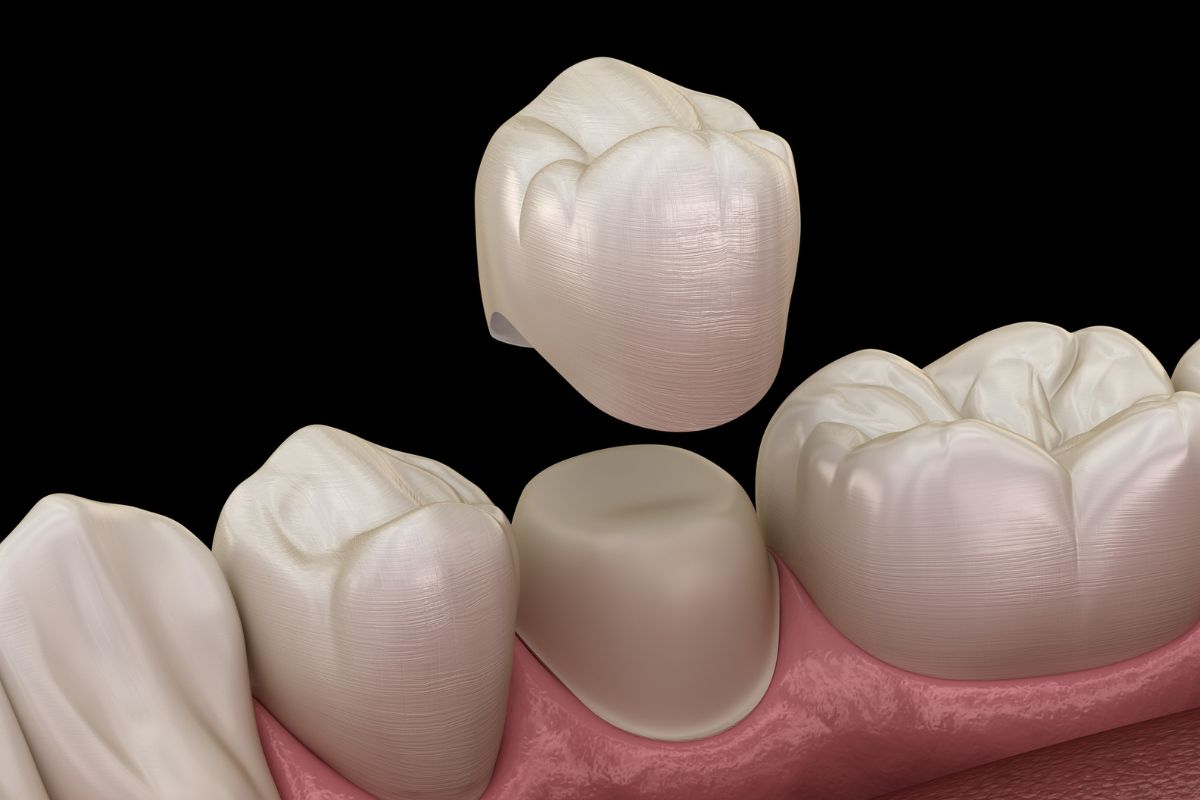
- Restorative Care: If a tooth has been severely compromised by a crack or deep decay, restoring its original shape is paramount. This is typically done with a high-quality dental crown.
Restoring Balance in a Single Visit
Historically, getting a crown meant messy putty impressions, uncomfortable temporary caps, and weeks of waiting.
At Loving Family Dental, we understand that your time is valuable. Our advanced crown technology allows many patients to receive a custom-designed restoration in a single visit. Using digital scanning and in-office milling technology, we create a crown that restores your tooth’s natural appearance, strength, and function while helping you get back to your routine without unnecessary delays. Learn more about our convenient crown treatment options and how they can help protect your smile.
Don’t Let a Minor Shift Become a Major Issue
Your smile is a finely tuned system. When something feels off, acting early is the best way to avoid painful complications and costly restorative procedures down the road.
If your bite has started feeling different, don’t wait for discomfort to become a bigger concern. For patients in Fountain Hills, Scottsdale, Mesa, Rio Verde, and nearby communities, compassionate dental care is just a visit away. You can easily visit Loving Family Dental in Fountain Hills and schedule an appointment with our experienced team to restore comfort, function, and confidence in your smile.
Frequently Asked Questions
Why does one specific tooth feel like it hits first?
This sensation is typically caused by localized changes, such as a micro-crack, a worn restoration, localized decay, or minor shifting. A professional evaluation can isolate the exact source.
Will an uneven bite resolve itself?
If the off feeling is due to minor temporary inflammation, it might settle within a few days. However, structural issues like cracks, decay, or worn fillings will not self-heal and require professional attention.
How does grinding affect my bite?
Bruxism wears down the enamel on chewing surfaces, flattening the teeth. This gradual loss of tooth height changes how your jaw closes and can lead to muscle fatigue and chronic pain.